The buyer’s search is for affordable bunk bed mattresses that still provide good support and cooling. This guide highlights five budget-friendly options that fit bunk beds, daybeds, and trundles, with clear reasons for who they’re best for. Each product includes who it’s ideal for, potential limitations, and practical comparisons to help you choose quickly.
Summary of featured products:
- MLILY Twin Mattress in a Box, 5 inch – Best for kids who need compact support with cooling foam.
- PrettSun Twin Mattress, 5 inch – Best for safety-conscious families seeking fiberglass-free construction.
- Best Price Mattress 6 inch Twin – Best for balanced comfort and classic memory-foam feel.
- FDW 5 Inch Twin Mattress – Best for cooler nights with ventilated memory foam.
- Zinus 6 Inch Cooling Essential Memory Foam (Full) – Best for full-size bunk setups and breathable layers.
MLILY Twin Mattress In A Box, 5 Inch For Kids Bunk

Best for small bunks or tight daybeds where height matters. This mattress uses memory foam with a cooling gel layer to help dissipate heat. It emphasizes a medium-firm feel, which supports a range of sleepers without sacrificing comfort. It’s also produced with strong quality controls and U.S. factory fulfillment, adding reliability for families who want consistent performance.
Who it’s best for: kids or smaller bedrooms where space is a premium and a medium-firm feel is preferred.
Why selected: The combination of temperature regulation, memory-foam conformity, and a practical 5-inch profile makes it a strong bunk-bed candidate at a lower height. Caution: As with many memory-foam options, it may retain heat for very hot climates, though the cooling gel helps mitigate this.
PrettSun Twin Mattress 5 Inch, Medium Firm

Best for bunk beds or daybeds that require a low-profile support option. The mattress features cooling gel memory foam and a fiberglass-free construction, certified safe for kids. Its compact 5-inch profile reduces the risk of kids hitting the bed rails while delivering even weight distribution and contouring comfort.
Who it’s best for: households prioritizing safety certifications, fiberglass-free materials, and a low profile for bunk beds.
Why selected: It balances temperature regulation with a balanced feel, suitable for younger sleepers. Caution: Some users may prefer a slightly firmer or softer feel depending on the child’s weight and sleeping position.
Best Price Mattress 6 Inch Twin Mattress

Best for bunk setups where a traditional memory-foam feel is desired. This 6-inch twin mattress uses memory foam to relieve pressure points and support alignment. The green-tea infused layer contributes to a fresh feel over time, which can be appealing in shared bedrooms with limited space.
Who it’s best for: kids or teens who want a familiar memory-foam experience without breaking the budget.
Why selected: The 6-inch profile offers more surface comfort than thinner cores, and the green-tea infusion adds a pleasant, subtle scent while maintaining cooling properties. Caution: Some bunk-bed configurations may require careful edge support checks depending on frame design.
FDW 5 Inch Twin Mattress, Gel Memory Foam

Best for bunk beds requiring good breathability and cooling. This 5-inch model features a gel memory-foam top layer over a supportive base, delivering a balanced feel for various sleep styles. The cover is washable, simplifying maintenance in shared sleeping spaces.
Who it’s best for: families seeking a cooler, easier-to-clean option for kids’ bunks or trundles.
Why selected: Ventilated gel memory foam improves airflow, reducing heat buildup. Caution: The 5-inch thickness may feel firmer for heavier sleepers or taller individuals; consider a thicker option if the bunk is used by adults.
MLILY Twin Mattress In A Box, 6 Inch For Kids
Best for bunk frames that can support a slightly thicker kid-focused mattress. This 6-inch MLILY mattress maintains the same medium-firm feel and memory-foam cooling gel, with extended durability for growing sleepers. It emphasizes high-quality controls and U.S.-based fulfillment, providing reliable performance in a budget-friendly package.
Who it’s best for: families wanting a mid-range thickness with solid support and cooling features for young sleepers. Caution: Heavier users or adults may prefer a thicker option for long-term comfort.
Kioranthy Twin Mattress, 6 Inch Memory Foam
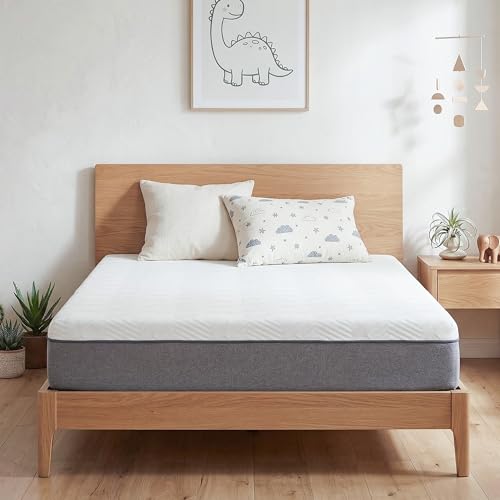
Best for bunk beds where a balance between comfort and temperature control is needed. The 6-inch profile provides good support for diverse sleepers, with a breathable fabric and CertiPUR-US certification. It also emphasizes quiet nights due to memory-foam motion isolation.
Who it’s best for: families seeking a mid-thickness, fiberglass-free option with solid pressure relief. Caution: As with many memory-foam options, heavier individuals might prefer a thicker core or firmer feel for long-term durability.
Zinus 6 Inch Full Cooling Essential Memory Foam

Best for full-size bunk setups where a standard full mattress is used with a bunk bed to maximize sleeping area. The breathable Airflow memory foam minimizes heat buildup while conforming to the body for pressure relief. The packaging aims for a smaller box to reduce environmental impact.
Who it’s best for: bunk bed configurations that require a full-size mattress with cooling features and a clear emphasis on airflow. Caution: Slightly heavier sleepers may want to test edge support and overall thickness to ensure stability in tall bunk frames.
Buying Guide: How to Choose The Right Bunk Bed Mattress
- Profile thickness: For top bunks, lower profiles (5–6 inches) save headroom and reduce risk of hitting the ceiling. For bottom bunks or full-size setups, 6 inches or more can improve comfort for teens and adults.
- Firmness vs. support: Medium-firm (about 6–7 on a 1–10 scale) suits most sleepers, balancing comfort and spinal alignment. Softer options may not provide adequate support for heavier users; firmer ones can relieve pressure points but feel stiff for lighter sleepers.
- Cooling and materials: Gel-infused memory foam and breathable covers help with heat management, especially in hot climates or shared rooms. Fiberglass-free constructions are preferred for children’s beds for safety.
- Allergen considerations: CertiPUR-US or OEKO-TEX certifications indicate tested materials with fewer harmful chemicals. Choose those for child-friendly environments.
- Maintenance and longevity: Removable covers simplify cleaning. Memory-foam layers maintain shape with proper support cores; ensure the bunk frame provides solid edge support and even weight distribution.
Frequently Asked Questions
- What thickness is best for bunk beds?
– A 5–6 inch profile works well for top bunks to preserve headroom, while 6–8 inches can be suitable for bottom bunks or full setups that need more support. - Are fiberglass-free mattresses safer for kids?
– Yes, fiberglass-free designs reduce the risk of irritants in ventilation; look for CertiPUR-US or OEKO-TEX certifications for safe materials. - Should I choose memory foam for a bunk bed?
– Memory foam provides good pressure relief and motion isolation, which helps when sharing a bed. Ventilated and gel-infused variants improve cooling. - How important is cooling in a bunk bed mattress?
– Very important in shared rooms or warmer climates to maintain comfort and prevent overheating during sleep. - Can a budget mattress feel as supportive as pricier options?
– Many budget options offer solid support with medium-firm foams; ensure the mattress core and edge support meet your needs for bunk bed safety. - Do these mattresses fit bunk bed frames universally?
– Most 5–6 inch profiles are designed to fit standard bunk frames, but always verify the frame’s height clearance and the mattress thickness compatibility before purchase.