Answering the most common search queries, this guide highlights ergonomic mattress wedge elevators designed to reduce strain during bed setup, ease reflux symptoms, and improve overall comfort. These tools are best for caregivers, seniors, and people who frequently change sheets or adjust their mattresses. The top picks below emphasize practical design, stability, and easy insertion under the mattress. A quick buyer’s table summaries key strengths to compare at a glance.
| Product | Best For | Why It’s Notable |
|---|---|---|
| Oqqlin Mattress Lifter Tools for Changing Sheets | Caregivers and seniors | Acacia wood with ergonomic handle; sheet tucking aid |
| SUNYRISY Adjustable Wide Size Bed Wedge Pillow | Acid reflux and neck/back relief | Three height options; multi-use as wedge and pillow |
| Avana Mattress Elevator 5-Inch (Queen) | Light, subtle elevation | Two-piece design for easy installation |
| EPHEDORA Under Mattress Wedge | Acid reflux and respiratory comfort | Memory foam top; anti-slip and storage pockets |
| Avana Mattress Elevator 7-Inch (King) | Higher elevation needs | Steeper incline; two-piece split design |
Oqqlin Mattress Lifter Tools for Changing Sheets

Best for caregivers and seniors who frequently change sheets or need assistance tucking bedding. The 12.6-inch lifter with a 3.94-inch handle helps free hands for bed-making, reducing wrist strain while changing sheets. Made from natural acacia wood, it combines durability with a smooth, rounded sheet-tucking edge. This tool is most effective when you need a stable under-mattress lift to slide sheets into place without heavy lifting. A potential limitation is the relatively short lifter length for very thick mattresses.
SUNYRISY Adjustable Wide Size Bed Wedge Pillow

Best for acid reflux relief and comprehensive support. This wedge pillow features an adjustable height system (7.5in, 5in, 2.5in) with a high-density foam core and a washable cover. It doubles as a wedge top and a versatile pillow for head, neck, or leg support. Choose this if you want a single multipurpose device for both sleep elevation and daytime comfort. Limitation: some users may prefer a more minimalist, single-height wedge for travel or lighter setups.
Avana Mattress Elevator 5-Inch

Best for gentle elevation without heavy modification. The 5-inch incline uses high-density foam for subtle support and is designed as two 30-inch sections for Queen beds, simplifying installation under a heavy mattress. This option suits sleepers who want relief from acid reflux or snoring without a dramatic bed angle. Limitation: not ideal if you truly need a high lift for very tall mattresses or large changes in elevation.
SUNYRISY Adjustable Wide Size Bed Wedge
Best for multi-function use as a wedge topper and as an ergonomic support tool. Similar to the 7.5-inch SUNYRISY wedge, this version provides adjustable height and a washable cover. It suits beds where multiple users may prefer different elevations or positional support. Limitation: bulkier to store than a single-height wedge.
EPHEDORA Under Mattress Wedge
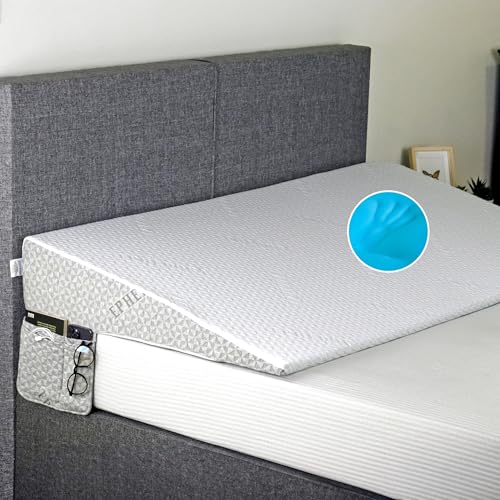
Best for targeted shoulder, neck, and spine support with acid reflux relief. This wedge topper features memory foam and a non-slip bottom with side pockets for convenient storage. It’s ideal for sleepers seeking targeted elevation without significant movement or bulky setup. Limitation: memory foam can retain heat for some users; ventilation considerations may matter in warmer climates.
Avana Mattress Elevator 7-Inch (King)
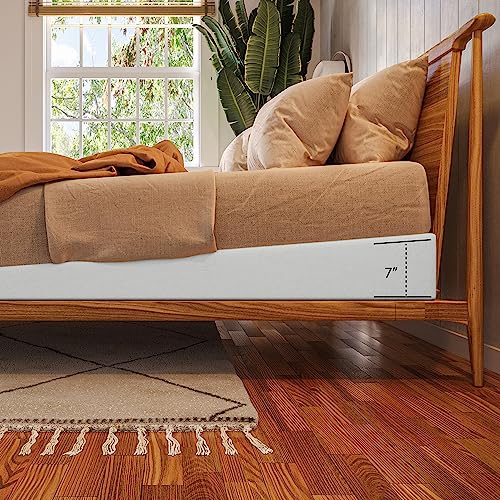
Best for stronger elevation needs on larger beds. The 7-inch incline delivers a steeper angle for more pronounced relief from severe acid reflux or respiratory issues. It uses a two-piece split design for King beds, which eases installation under a heavy mattress. Choose this if you need a higher lift and have enough space to position the two sections. Limitation: higher elevation may be less comfortable for some sleepers adapting to more tilt.
Buying Guide: Key Purchase Considerations
- Intended use: Determine whether you need occasional sheet-changing assistance, long-term sleep elevation for reflux, or both.
- Mattress size and height: Some wedges come in specific bed sizes or require a certain clearance under the mattress for proper placement.
- Elevation level: Consider whether you want a low, moderate, or high incline to address symptoms or comfort preferences.
- Material and grip: Look for anti-slip bottoms, durable foam, and sturdy woods to ensure stability and safety.
- Versatility: Some wedges double as pillows or bed toppers; choose multi-function options if you want fewer separate devices.
- Storage and portability: If you share beds or travel, consider how easily the device can be stored or moved between rooms.
FAQ
- What is an ergonomic mattress wedge elevator used for?
It provides targeted elevation under the mattress to alleviate acid reflux, improve breathing, and reduce pressure on the spine and shoulders, while some models also assist with sheet changing.
- Who should consider a two-piece design?
A two-piece design makes installation under a heavy or large mattress easier and is especially helpful for king or queen beds.
- Are memory-foam wedges comfortable for long nights?
Memory-foam tops offer added contour and support, but some sleepers may prefer cooler materials or a firmer core depending on personal comfort and climate.
- Can wedges help with snoring?
Elevating the upper body can reduce nasal congestion and improve airflow for some users, potentially reducing snoring intensity.
- Which product is best for caregivers?
Tools like the Oqqlin mattress lifter and sheet inserter are designed to simplify bed-making tasks, reducing physical strain for caregivers and seniors.
- Is a higher incline always better?
No. Higher inclines may relieve symptoms more, but they can also be less comfortable for some sleepers. Start with a moderate incline and adjust.