If you want to enjoy TV, books, or mobile viewing while lying down, prism glasses designed for bed use can help reduce neck strain and eye fatigue. This guide highlights five top options suited for different sleepers, bedridden readers, or anyone who prefers a hands-free, supine viewing position. Each pick is evaluated for comfort, ease of use, and practical limitations to help you choose the best match for your routine.
Summary of top picks
| Product | Main Benefit | Best For |
|---|---|---|
| CHANGAR Prism Glasses | Lightweight, 90° vision; comfortable for long wear | Bedridden or hospital patients seeking lightweight comfort |
| Evelots Lazy Glasses | Over-prescription-friendly, adjustable lens | Readers who wear glasses and want easy use in bed |
| Evelots Lazy Glasses 2-Pack | Value set for sharing or multi-user use | Homes with more than one viewer |
| HANTUSWUS Lazy Glasses | Over prescription glasses, clear prism optics | Users needing compatibility with existing eyewear |
| Horizontals Lazy Glasses (Generic) | Lightweight, 90° HD viewing | General bed viewing and TV watching |
CHANGAR Prism Glasses Light-Weight Lazy Glasses

Best for: bedridden users or hospital patients who want a lightweight, comfortable option for bed-time reading or TV viewing. The 90° vision design supports a lying-down posture, reducing neck movement and eye strain. The TR90 frame adds durability without excess weight, and the high-definition prism improves clarity during use.
Why selected: This model emphasizes a fashionable, compact design while prioritizing light weight and clear vision. It fits well for short- to moderate-duration viewing and daily bedside use. A potential limitation is that, like many prism glasses, prolonged wear may cause some users to adjust to the new viewing angle, which can take a short acclimation period.
Evelots Lazy Glasses
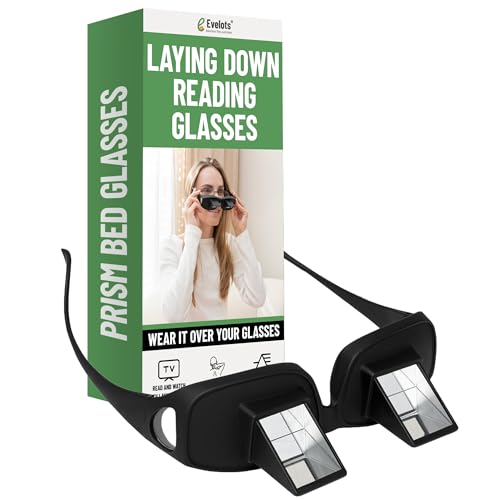
Best for: readers who want a long-standing, adjustable option that works well while lying in bed, with compatibility for wearers of prescription glasses. The over-glasses design supports easy, non-invasive use when reading or watching TV from a supine position.
Why selected: Evelots has a proven presence in this niche, offering a reliable solution for bedbound use. Limitation: Some users note that optical clarity and field of view can vary with face shape and existing eyewear, so fit may differ.
Evelots Lazy Glasses 2-Pack

Best for: households needing multiple sets or shared use, especially when one person wears prescription glasses that can be complemented by the adapters. The two-pack provides value and convenience for at-home viewing in bed or reclining areas.
Why selected: The two-pack design supports multi-user scenarios while maintaining the same bed-viewing benefits. Limitation: As with single units, comfort varies with face shape and seating posture, and the non-magnifying design may not suit all readers.
HANTUSWUS Lazy Glasses
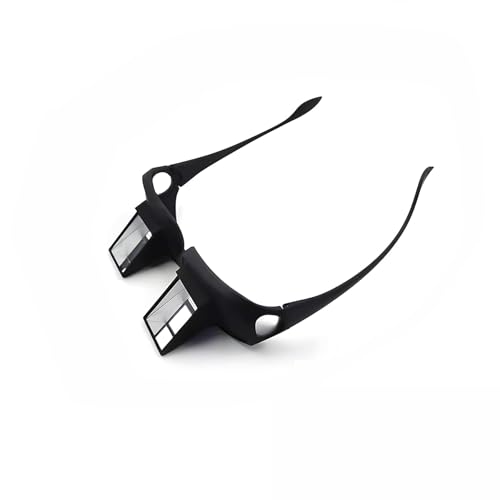
Best for: users who want a 90° viewing prism that works with most prescription glasses, including clear prism optics suitable for books, tablets, and TV. The unisex design supports shared use in households or care environments.
Why selected: It emphasizes compatibility and practical lens design, making it adaptable for varied eyewear. Limitation: It is a non-magnifying prism, so users should not expect magnified text unless required by other accommodations.
Horizontals Lazy Glasses Prism Glasses

Best for: adults and seniors seeking an ergonomic, lightweight design with HD 90° viewing for bed reading and TV watching. The ability to wear with or without prescription glasses adds flexibility for daily routines.
Why selected: This model prioritizes portability and comfort, making it a solid all-around option for bed viewing. Limitation: Some users may prefer a larger frame if they wear heavy prescription lenses or need extra room for comfort.
okcsc Lazy Reading Glasses

Best for: trend-conscious buyers who want a thinner, lighter frame that sits comfortably while lying down. The 90° angle prism supports easy reading of books and viewing content on screens without neck strain.
Why selected: The upgrade emphasizes lightweight construction and a modern look. Limitation: The manufacturer notes to limit long-duration use, suggesting the need for planned viewing intervals based on individual comfort and posture.
BywoBywo Upgraded Lazy Glasses

Best for: users seeking a premium frame with an aerospace-grade metal build and non-slip features for reliable performance while lying down. The silicone nose pads improve comfort for extended use.
Why selected: The upgrade focuses on durability and stability, which is valuable for nightly viewing or shared bedside use. Limitation: Higher-end materials may come with a higher price point within this category.
reiliva Clip on Lazy Glasses
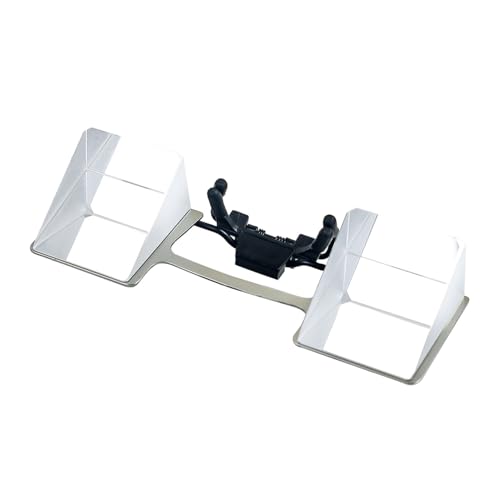
Best for: users who already wear prescription glasses and want a quick-clip solution with adjustable prism. The clip-on design makes it easy to switch between standard vision and bed-viewing mode.
Why selected: The clip mechanism is convenient for immediate use and can protect existing eyewear from scratches with soft padding. Limitation: Clip-on systems may feel less secure on some frames or if glasses are unusually shaped.
Buying Guide: Key Purchase Considerations
- Viewing angle and posture: Most products offer around 90° prism viewing to support lying-down activities. Consider how you typically position yourself in bed or recliner.
- Compatibility with existing eyewear: If you wear prescription glasses, determine whether the design supports over-glass use or clip-on functionality.
- Weight and comfort: Lighter frames reduce fatigue, especially for extended sessions. Check materials (TR90, metal) and padding.
- Adjustability: Look for adjustable prisms or adjustable lens features to tailor the viewing angle to your needs.
- Durability and care: Durable frames reduce the need for replacement, and padding or clip design can affect long-term wear.
- Usage scenarios: If sharing between multiple users, a two-pack may offer better value and convenience.
FAQ
- What are prism glasses for bed use best for?
They are best for reading, watching TV, or scrolling a phone while lying down, reducing neck movement and strain. - Can I wear prism glasses with my regular glasses?
Some models are designed to be worn over prescription glasses; others use clip-on mechanisms. Check product specs for compatibility. - Do prism glasses magnify text?
Most bed prism glasses are non-magnifying, focusing on a changed viewing angle rather than magnification. - Will prism glasses cause eye strain?
- Are these glasses suitable for all face shapes?
Fit varies; some frames work better with certain face shapes or head sizes. Consider a lightweight, adjustable design for easier handling. - Do they work without a TV or tablet?
Yes, they assist with any supine viewing, including reading books or looking at a phone.
If used in moderation and with proper fit, they can reduce neck strain and eye fatigue. Limit prolonged use if you experience discomfort.